Which Roof Type is Best for Your Home’s Style and Budget
Which Roof Type is Best for Your Home’s Style and Budget

Key Takeaways
- Choosing the right roof type depends on your home’s style, climate, and budget.
- Popular roof types include asphalt shingles, metal, tile, and wood, each with its pros and cons.
- Budget and long-term maintenance are crucial factors in selecting which roof type is best for your home.
- Professional installation ensures that your roof will perform effectively, providing both protection and aesthetic appeal.
Your roof is more than just a protective covering; it’s an essential element of your home’s overall look and performance. Whether you're building a new home or replacing an aging roof, choosing
which roof type is best for your property is crucial. The decision has significant implications for both your budget and your home’s style. With so many options available, how do you decide on the right one? This guide will walk you through the most popular roofing materials, outlining their benefits, drawbacks, and key considerations to help you figure out which roof type is best for your home.
Asphalt Shingles: Affordable and Versatile
One of the most common roofing materials is
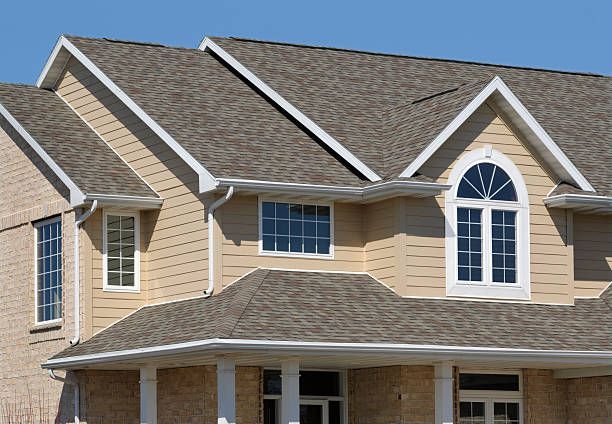
asphalt shingles, known for their affordability and versatility. They offer various colors and textures, making them an easy option to match with different home styles.
Pros:
- Affordability: Asphalt shingles are among the most budget-friendly options, making them a popular choice for homeowners looking to save money.
- Variety: Available in a wide range of colors and styles, asphalt shingles can complement many architectural designs.
Cons:
- Shorter Lifespan: Asphalt shingles typically last around 20-30 years, which is shorter than some other roofing materials.
- Weather Vulnerability: While affordable, they are prone to damage from severe weather conditions like hail or strong winds.
Metal Roofs: Durable and Energy Efficient
If you're looking for a durable roofing option that offers long-term value,
metal roofs are an excellent choice. They can withstand extreme weather conditions and are often the answer when homeowners wonder which roof type is best for both longevity and energy efficiency.
Pros:
- Long-Lasting: Metal roofs can last up to 50 years or more, making them one of the most durable roofing options available.
- Energy Efficient: Reflective metal roofs help reduce cooling costs by reflecting solar heat away from the home.
Cons:
- Higher Upfront Cost: Metal roofs have a higher initial cost than other options like asphalt shingles, which can deter budget-conscious homeowners.
- Noise: Rain on a metal roof can be noisy, although this can be mitigated with proper insulation.
Tile Roofs: Elegant and Long-Lasting
For those seeking a more elegant and Mediterranean look, tile roofs are a timeless choice. Often made from clay or concrete, they provide a unique aesthetic appeal while being incredibly durable. If you’re considering which roof type is best for a luxurious and long-lasting solution, tile roofing may be ideal.
Pros:
- Longevity: Tile roofs can last over 50 years, often outlasting the house itself.
- Aesthetic Appeal: Tile roofs offer a distinctive and elegant look, adding significant curb appeal to your home.
Cons:
- Weight: Tile is heavy and may require extra structural support for your home.
- Expense: Both material and installation costs are higher for tile roofs compared to other options.
Wood Shingles: A Natural, Rustic Charm
For homeowners who love a natural, rustic aesthetic, wood shingles might be the best fit. Typically made from cedar, wood shingles offer a classic look that complements traditional or country-style homes.
Pros:
- Natural Beauty: Wood shingles provide a charming and natural look that adds warmth to your home’s exterior.
- Insulation: Wood has natural insulating properties, helping regulate indoor temperatures.
Cons:
- Maintenance: Wood shingles require regular upkeep to prevent issues like mold, rot, and insect damage.
- Fire Risk: In areas prone to wildfires, wood shingles may not be the safest option unless treated for fire resistance.
Factors to Consider When Deciding Which Roof Type is Best
Climate Suitability
When determining which roof type is best, your local climate is a major consideration. For example, metal roofs are ideal for regions with heavy snowfall or extreme weather, while tile roofs are better suited for hotter, arid climates. Understanding how different materials perform in your area is crucial.
Budget
Your budget will also influence your decision on which roof type is best. Asphalt shingles are the most affordable, while materials like metal or tile come with higher upfront costs but offer long-term savings by reducing the need for frequent repairs or replacements.
Aesthetic Preferences
Since your roof plays a significant role in your home’s overall appearance, aesthetic compatibility is another essential factor. Whether you prefer the classic look of wood shingles or the sleek, modern lines of a metal roof, the right choice can significantly enhance your home’s curb appeal.
Maintenance Requirements
Different roof types have different maintenance needs. Asphalt shingles and metal roofs are relatively low-maintenance, while wood shingles and tile roofs require more attention over time. Consider how much time and effort you’re willing to dedicate to maintaining your roof when deciding which roof type is best.
For expert advice on choosing the right roof repair sealant for your home,
Delaware Roofing is ready to assist. Based at 109 Chartwell Court, Bear, DE 19701, we offer quality roofing services tailored to meet your specific needs. Whether you're looking for a detailed inspection or professional sealant application, our team is here to help. Call us today at 302-377-1193 to schedule a consultation and ensure your roof gets the proper care it deserves.
Conclusion
Deciding which roof type is best for your home involves weighing factors like durability, cost, style, and maintenance. Asphalt shingles offer affordability and versatility, making them ideal for budget-conscious homeowners. Metal roofs, on the other hand, provide long-term durability and energy efficiency, while tile roofs offer a luxurious, Mediterranean appeal with impressive longevity. Wood shingles add rustic charm but require more maintenance than other options.
Your roof is an essential part of your home, both functionally and aesthetically. Choosing the right one can save you money, increase your home’s value, and enhance its appearance. For expert guidance and professional installation, trust Delaware Roofing to help you select which roof type is best for your home’s style and budget.
Ready to make a decision on which roof type is best for your home? Contact Delaware Roofing today for a professional consultation and quality service.
FAQs
Q: How can I decide which roof type is best for my home?
A: Consider factors like your local climate, budget, home style, and long-term maintenance when choosing
which roof type is best.
Q: What is the most durable roof type?
A: Metal and tile roofs are among the most durable options, often lasting over 50 years with proper maintenance.
Q: Are wood shingles worth the maintenance?
A: Wood shingles offer natural beauty but require regular maintenance. They may be worth it if you prioritize aesthetics and are willing to invest in upkeep.
Q: What is the cheapest roofing material?
A: Asphalt shingles are the most affordable roofing material, making them popular for budget-conscious homeowners.